
Education, HIndi, leadership, short stories, skills

Folktales: 2

In the series of folktales, this time we have a tale of four frogs who wanted to climb the Girnar mountain.This mountain is known for it’s journey of 1000 steps to the temple situated at the peak and one of most challenging hikes on the other side. On this difficult to climb mountain,what made that one frog successful and the other three giving up only half way through? Let’s find out!

 लघुकथा

यदि सफलता पानी है तो गूंगे बहरे हो जाओ।

एक बार चार मैंढक गुजरात में स्थित एक ऊँची पहाडी गिरनार (धार्मिक एवं पर्यटक स्‍थल है) पर जाने के लिए तैयार हुए। बहुत जोश के साथ उन्‍होंने अपनी यात्रा आरंभ की। फुदक-फुदक कर कुछ मीटर की सीधी चढ़ाई चढ़ने के बाद उन मेंढकों में से एक मेंढ़क ने गिरनार पर्वत श्रेणी से वापस आ रहे दूसरे लोगों से पूछा ‘भैया, कितनी दुर्गम और कठिन चढ़ाई है?’ उसने कहा ‘बहुत कठिन और थकान भरी चढ़ाई है। तुम्‍हारे बस की बात नहीं है भैया। अपने घर चले जाओ।’ उस मैंढ़क ने सोचा कि यदि इतनी कठिन और दुर्गम चढ़ाई है तो गिरनार पर्वत चोटी तक मैं नहीं चढ़ पाउंगा और मुझे बीच में से ही वापस लौटना होगा। इसलिए मुझे यहॉं से ही वापस चले जाना चाहिए और वह मेंढक दूसरे मेंढकों से यह कहकर वापस चल दिया कि ‘भाइयो, मेरे बस का नहीं है, इतनी भारी चढ़ाई मैं नहीं चढ़ सकता।’ 
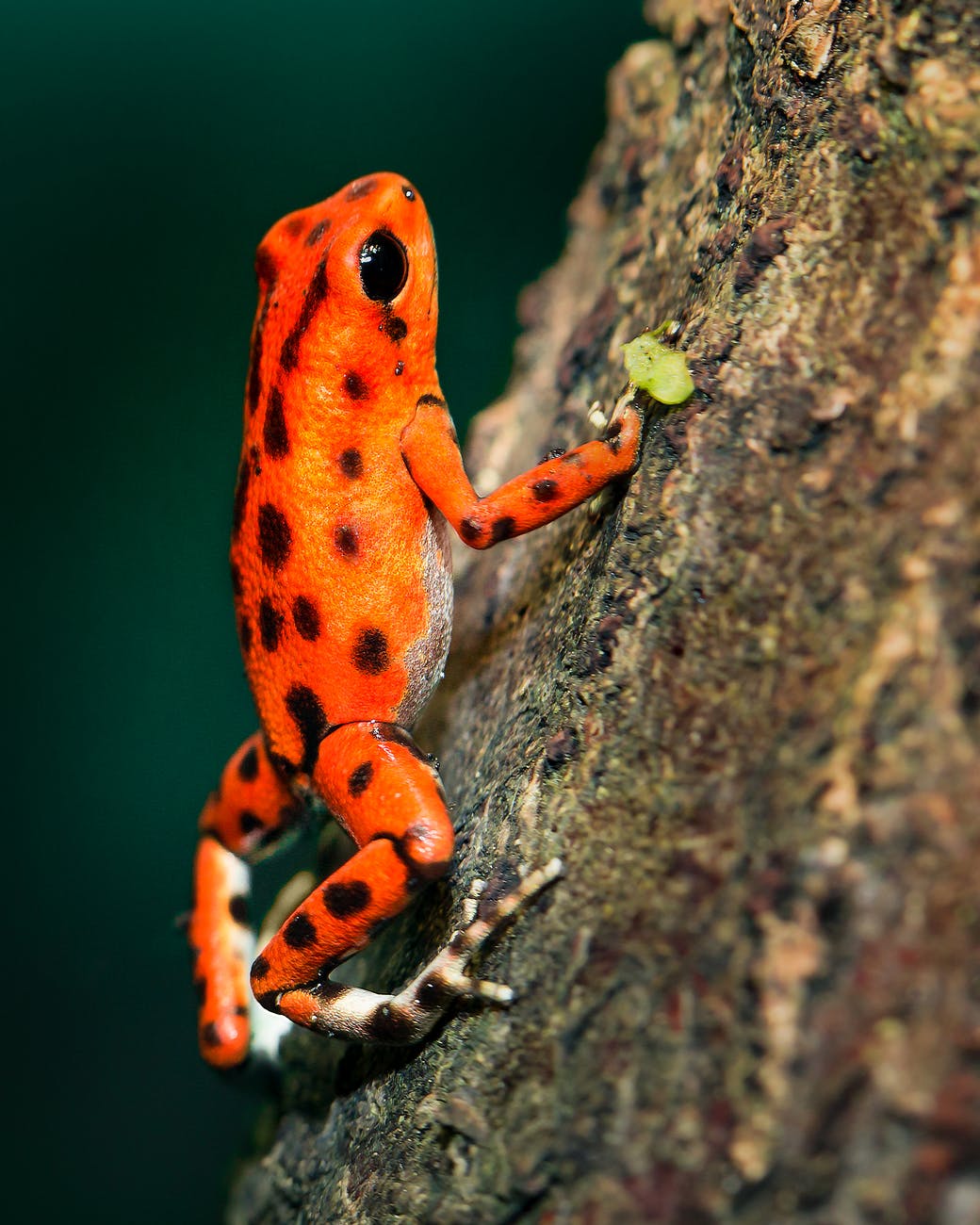
उस मेंढ़क के वापस चले जाने के बाद शेष बचे तीनों मेढ़क हिम्‍मत जुटाकर फुदक-फुदक कर गिरनार पर्वत की चोटी की ओर चढ़ने लगे। कुछ मीटर की दूरी पर जाने पर हॉंफने लगे तो किसी पेड़ की शीतल छायां में क्षणिक आराम करने लगे। इतने में गिरनार पर्वत की चोटी पर दर्शन करने के बाद वापस आने वाले पथिक लोग भी वहॉं आ गए। उन तीन मेंढकों में से एक ने वापस आने वाले पथिकों से पूछा, ‘भाई, कितनी दूर है? कैसी चढ़ाई है? क्‍या हम गिरनार तक पहुँच पाएंगे?’ उन्‍होंने भी पहले वाले पथिक की तरह बताया कि गिरनार चोटी तक दुर्गम, कठिन और थकानभरी चढ़ाई है। वहॉं तक पहुंचते पहुंचते शरीर बुरी तरह थक जाता है और हिम्‍मत टूट जाती है। ऐसा सुनकर यह दूसरा मेंढ़क भी हिम्‍मत हार गया और वह भी दुर्गम और थकानभरी चढ़ाई से डरकर वापस चला गया।

अब चार में से दो ही मैंढक गिरनार पर्वत पर चढ़ने के लिए बचे थे। वे बेचारे थके हारे फुदक फुदक कर ऊपर चढ़ने लगे। पसीनों से तर बतर हो गए। अपनी चढ़ाई का आधे से अधिक भाग चढ़ चुके थे कि एक पेड़ की छाया में बैठकर आराम करने लगे। कुछ देर में ऊपर से कुछ या‍त्रीगण आ रहे थे, तो एक मैंढक ने पूछा, ‘भाई, अभी कितनी और चढ़ना बाकी है?’  यात्रियों ने तपाक से जवाब दिया, ‘बहुत दुर्गम चढ़ाई है और आप लोग मुश्‍किल ही चढ़ पाओगे। बहुत कठिन है।’ उस तीसरे मैंढक ने चौथे मैंढ़क की ओर मुख करके कुछ बड़बड़या और तीसरा मैंढ़क भी डरकर वापस चला गया।  अब चौथे और अंतिम मैंढ़क की बारी थी कि वो क्‍या करे? कुछ देर चिंतन करने के बाद वह पूरे मनोयोग और उत्‍साह से फुदक फुदक कर ऊपर चढ़ने लगा। हर बाधाओं को पार करता हुआ वह अगले दिन गिरनार की चोटी पर चढ़ गया और वहॉं देवी के दर्शन किए। सुकून की सांस ली। 

पता है उस मैंढक की हिम्‍मत कैसे हुई। जी, हॉं बतादूं वो चौथा मैंढ़क गूंगा-बहरा था। उसे ना सुनता था और ना बोल सकता था। यही उसकी सफलता का आधार बना क्‍योंकि उसने ना किसी की सुनी और ना किसी से कुछ कहा और अपने लक्ष्‍य पर आगे बढ़ता गया। सच है दोस्‍तो। अगर जीवन में कोई बड़ा लक्ष्‍य तय करो तो उस गूंगे बहरे मैंढक की तरह अपने लक्ष्‍य पर दृष्टि जमाए रखो, किसी की सुने-कहे बगेर निरंतर आगे बढ़ते जाओ। आपकी जीत अवश्‍य होगी।

इति शुभम। 

Storytelling has its own charm in learning and teaching. Native stories make a strong impact, with ease of understanding as they are deep rooted in culture and community. Hindi being my mother tongue never left its space in my heart. I strongly believe that in early childhood teaching in mother tongue is definitely the easiest way to reach to a child’s heart.
Indian folklore has been passed through generations over the centuries, with the words of wisdom which benefit young and old equally. I plan to share these short stories aka folk tales every once in a while to my audience, use them as a warm up activity, lunch break filler, going home time activity or simply read to your own children. Stories have their own magic!

Story credit:

Mr. Dalchand

A Storyteller by heart

If you have come this far you must have liked the post so if you enjoyed this post don’t forget to like, follow, share and comment!

GIRNAR

about me, Education, leadership, skills

Steps to Success

In the times of Covid-19 when our plans have been disrupted by an unforeseen situation, we all need to uplift each other to keep our morale high. Here is a dose of motivation to all of us!

Dictionary

Word: SUCCESS

success/səkˈsɛs/noun

Meaning: the accomplishment of an aim or purpose

A quick Google search comes up with the definition of success as an accomplishment of an aim or purpose. Your individual definition of what success is? may vary, but many would define it as being fulfilled, happy, safe, healthy, and loved. It is the ability to reach your goals in life, whatever those goals may be.

The journey to success is different for everybody. For some it happens overnight, for other it takes years or decades. For some it comes early in life, others achieve it towards their older years but trust me no matter, how much the grass looks greener from other side, its never an easy journey to what we perceive as success .

Well of-course, who doesn’t want to be successful, we all wish to find the mantra of success and to know the steps of being successful,

The first step towards the goal is to Start, as it has been rightly said that

You don’t have to be great to start, but you have to start to be great!

Once you start, the next steps are…

  1. Try.
  2. Try again
  3. Try one more time
  4. Try differently
  5. Try it again tomorrow
  6. Try and ask for help
  7. Try to find someone who has done it
  8. Try to find, fix what is not working
  9. Try to expand what is not working
  10. Just Keep trying until you succeed.

Don’t be harsh on not completing things on time, sometimes things take more than expected time.

So Dear friends

Ditch the negativity ,

Make a plan,

and Stay focused!

Be an eternal optimist, because positive vibes attracts positivity!

If you have come this far you must have liked the post so if you enjoyed this post don’t forget to like, follow, share and comment!

Education, leadership, school, skills, Uncategorized

Approaches to Schooling:

Approaches in schooling,

What can be inculcated,

once the schools reopen?

As the pandemic Covid 19 has given us all the reasons to pause from running the hamster’s wheel and ponder upon what can we improvise upon in our education system? The National Education Policy 2020 has come at the right time, where the schooling approaches can be put in place slowly as we move into the New normal schooling and education in India. Its the time, we can rethink on our teaching methodology, techniques, classrooms management and overall schooling approaches. Changes which begin at small scale and transit through the system are adapted well.

Early childhood Education is being provided through multiple approaches around the world. It might not be practical to shift the whole pedagogy to a different one in Indian Formal schooling system, its definitely viable to pick up best practices from each one, induce one by one in our present pedagogy, not bringing drastic changes but slowly moving towards the improvement.

Here, I will discuss in brief the approaches and philosophies to schooling around the world used in Early childhood Education along with their prominent features.

Preschool Philosophies

  • Montessori 
  • Waldorf 
  • Reggio Emilia
  • High School 
  • Bank Street
  • Creative Curriculum
  • Kindergarten

Montessori

This approach, developed by Maria Montessori in Rome in the early 1900s, is child-centered, with teachers serving as guides. In the Montessori school, play is a child’s work. While there is a focus on academics, the distinguishing feature is that children learn at their own pace. There are special Montessori toys called manipulative that are self-corrective.

Features of Montessori

  • Learning takes place at its own pace
  • Don’t organise the room to specific age
  • Children learn by example
  • Same teacher for all preschool years
  • Mixed age aspect
  • how children learn to work quietly and independently at a task.

Waldorf

If you find a Waldorf school, you can trust that it is true to the Waldorf philosophy, since each school and all of its teachers must be Waldorf certified. This play-based approach is characterized by a predictable structure, providing children with a dependable routine, such as certain days of the week for set activities like baking or gardening, as well as mixed-age classrooms with the same teacher for multiple years.

Features of Waldorf

  • “There is an emphasis on creative learning, reading, singing, acting … It’s great for kids who want that predictability.
  • Home Like Setting-warm and Friendly
  • Natural and Wooden toys
  •  Against traditional grading systems and exclusion of media in the curriculum
  • Does not involve academics 

Reggio Emilia

There are many Reggio Emilia-inspired schools based on the approach developed in the 1940s in the town of Reggio Emilia in northern Italy. After World War II, the community, along with schoolteacher Loris Malaguzzi, came together to develop schools that would help children become better citizens. “The overall philosophy is that kids are really encouraged to explore. The teachers are there to help them explore,”

Features of Reggio

  • Project based approach and curriculum
  • Find it out together approach
  • Child oriented but teacher framed
  • Documentation is an important part
  • Taking photos, making  videos and writing observations

Other Approaches:

There are these few approaches which are popular in certain areas and are a proportionate mix of academic and non academic approaches as well as some features from above. They were introduced to cater different people at different times.

  • High scope – community based program
  • Bank street- Play based learning 
  • Creative curriculum- written formal learning programs by for profit organisations

As, a school teacher or leader we may choose, what fits in our need or circumstances, but its always good to know what does exist in our field around the world.